Saturday, May 11, 2013

Ebook reading reflection


The ebook that I read was our textbook, What Research Has to Say About Reading Instruction by Alan E. Farstrup and S. Jay Samuels.  The device I used to read this ebook on was the Kindle app on my Ipad2.  I have to say that the experience I had in reading our course material in this format was so much more interactive and engaging as compared with the traditional paper format.  Not only was it convenient to carry around and have access to anywhere I wanted, but I could also read at night because the app is lit without bothering others in the room.  This convenience factor can play a big part in people's willingness and ability to engage in the reading process.

The other things that I felt empowered by were the accessibility tools that were built into the device.  I could easily zoom in and create a larger font size if needed.  I could also use the text to speech feature of the Ipad if needed so I could listen the page while doing other things (getting dressed before work).

I also really liked being able to highlight and book mark information that I knew I would need to refer to at a later time.  It made it so much easier for me to flip back and recall important facts and details.  I also liked being able to search for phrases that I needed to refer to by using the word search feature.  I used this a lot while I was conducting my action research report.

Overall, ebooks are more engaging and effective ways of allowing individuals to access and interact with the reading process.  This format of books are more accessible and easier to use than traditional media.


Tuesday, May 7, 2013

Virtual text set of materials
Jamie Wardley
Topic: Modern Art
Audience: K-5

Standards: Visual Arts

Grade K-4 Visual Arts Standard 1
Content Standard
Understanding and applying media, techniques, and processes
Achievement Standard
·        Students know the differences between materials, techniques, and processes
·        Students describe how different materials, techniques, and processes cause different responses
·        Students use different media, techniques, and processes to communicate ideas, experiences, and stories
·        Students use art materials and tools in a safe and responsible manner

Visual Arts

Grade K-4 Visual Arts Standard 4

Content Standard

Understanding the visual arts in relation to history and cultures

Achievement Standard

·        Students know that the visual arts have both a history and specific relationships to various cultures
·        Students identify specific works of art as belonging to particular cultures, times, and places
·        Students demonstrate how history, culture, and the visual arts can influence each other in making and studying works of art

List of Titles
Link
Descriptor
Image
This is a website that contains interactive information about the MOMA art museum
THE DOT
This link can be used to access the Tumblebook e-book, an animated story about abstract art work.
WHEN PIGASSO MET MOOTISE:
This is a link to another animated e-book that can be accessed free through the St. Johns County Public library.  It is a fictional story about two well known modern artists.
NGA KIDS:
This site contains images of modern art that can be found a the National Gallery of Art.  There are also interactive art making games and activities that can be completed digitally online.
Daisy Comes Home:
This link takes you to a movie by Jan Brett, a modern author and illustrator who wrote several children’s books.  In this video she speaks about how she created the book, Daisy Comes Home.

6.     http://www.qagoma
Warhol’s World; A site with information and biographical information about the modern artist, Andy Warhol.


]


Monday, May 6, 2013

Highlighting and reading


The use of highlighting or underlying text can be a useful comprehension strategy for students to use while reading various paper or digital text.  In a study by Kerr and Rynearson (2004) three types of reading strategies or tactics were identified, one of which was note-taking tactics which included highlighting text.  An even earlier study by Crowse and Idstein (1972) showed that more information was retained from parts of text that were underlined as opposed to text that was not underlined.  In the age of high stakes testing, many teachers turn to these types of strategies to assist students with reading comprehension questions contained within standardized tests.  One such strategy is called UNRAVEL- which stands for Underline: Underline the title, Number the paragraphs, Read the questions (before reading the passage) Are important words circled? Venture through the passage (as in, journey, take it on, dare to explore it), Eliminate wrong answers Look back for answers (most important step).  This as well as other metacognitive note taking strategies can be extremely beneficial for students who need to understand and remember content that they learn from text.  The main issue or drawback of using highlighting or other note taking strategies when reading is that poor readers tend to highlight information that is not important or relevant. 

Teachers who want their students to benefit from the use of highliters need to teach students reading strategies that enable them to locate important information such as main ideas, or key vocabulary so that they can eliminate possible distractors.  Without being taught what to look for, highlighting can actually detract from learning and actually cause students to misunderstand what is being read. 

Appropriate highlighting strategies can also enable students to be more actively engaged in the reading process.  Students who not only read material aloud or more commonly they read material silently, but also use some type of writing or technology tool to physically annotate certain parts of text, are more likely to comprehend and remember important material.  This strategy can also highly improve the comprehension of students with special needs, who may not be able to independently read and remember information that is found in reading passages. 

With this in mind, highlighting is like many technology tools that are available.  Students need to be taught how to use them correctly, allowing them to experience the appropriate level of scaffolding to ensure that they are using the technique correctly. 


Audio Book

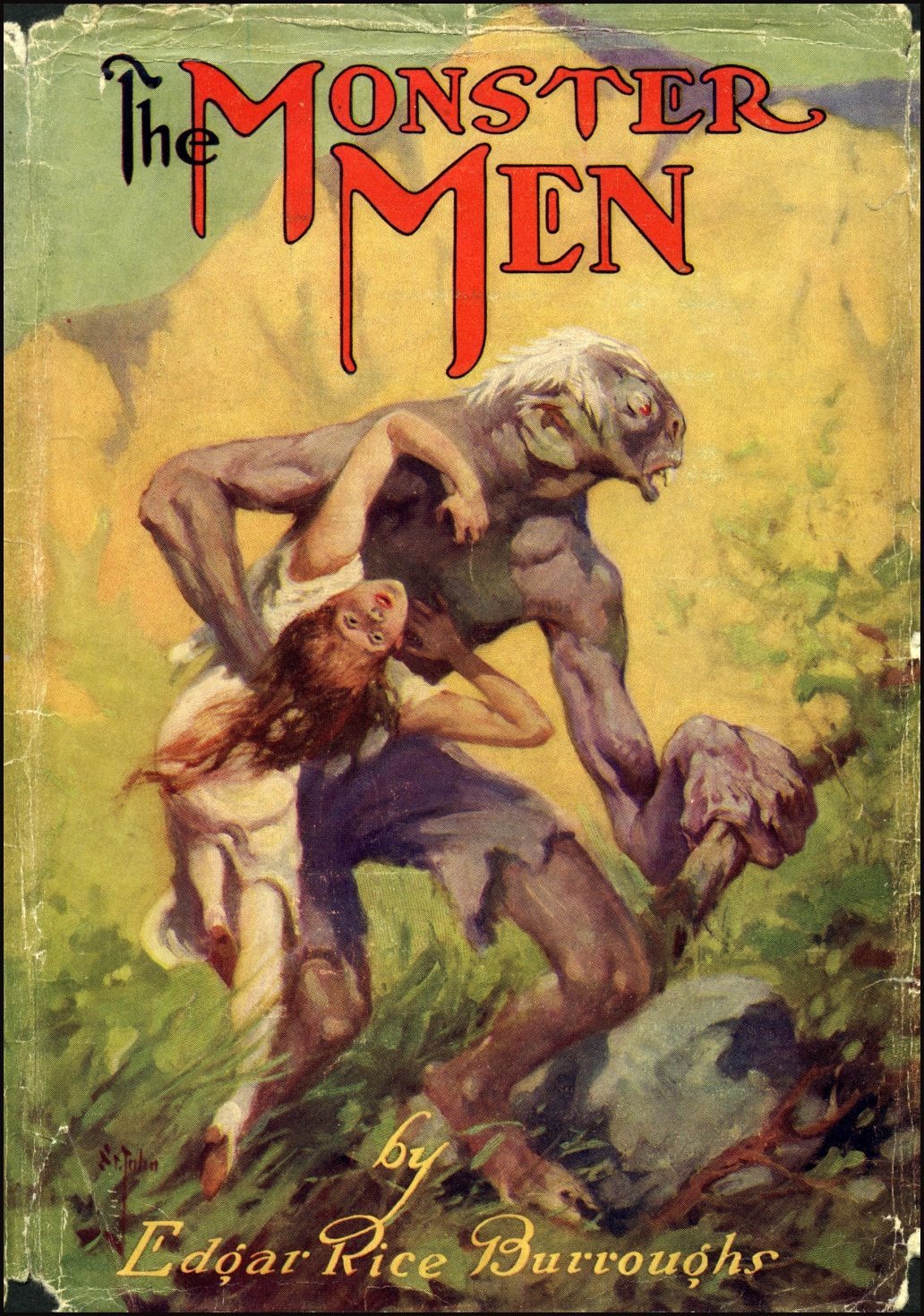
I chose to record chapter 15 of the book Monster Men by Edgar Rice Burroughs

(Edgar Rice Burroughs. The Monster Men (Kindle Location 7). )
I used audacity to record chapter 15 titled, Too Late from Monster Men for my Technology and Literacy class in order to compile a class audiobook.

Audio Book Reflection

The audiobook that I 'read' (listened to) was How Children Succeed by Paul Tough.  I downloaded this book using Audible on my smart phone to listen to while I was running or in the car.  I absolutely loved the experience of listening to content that I felt was important while doing other things.  I was able to attend to and learn about new and important educational theories and stories while being productive in other ways as well.  Even though there were times when I wished that I could stop the audio and have some way of recording a significant note or idea, I found myself being able to recall more than I thought.  I could remember and hold conversations about the material I listened to.  This could be partly due to the fact that I chose the material and considered it to be important.  For educators, this  could mean that students would best benefit from listening to material that they find to be engaging, interesting and even a bit advanced as far as vocabulary and content.  I think audio books are a valuable resource for any level of reader and combined with a mobile device or technology tool, allows learners to incorporate reading into their daily lives and routines in an easy and convenient manner.

Monday, February 18, 2013

Graphic Organizers

Wordle: Fables 


Here is my wordle!!  It is based on the literature genre of fables that the third grade classes are studying in art.

Text to Speech


Text-to-Speech & Editing

On your blog give some thought to the idea of using text-to-speech as part of the editing process.
A blog posting should include: 1) personal observations/feelings/preferences  2) Take a position  3) support with references

I used to the TextHelp! Screen reader in order to evaluate this type of tool and how it can be used to improve or assist students with the writing process.   I found that this was an extremely helpful tool to use in making the writing process more accessible to students who may be auditory learners, ESOL students or students with disabilities.  
As I am writing this, I am using the text help screen reader it really helps me to think about and informally edit what I am thinking and typing as I am writing. 
When I was teaching writing to third graders, during my editing conferences  as the students began to read aloud what they wrote they realized that it did not make sense.   Without prompting, students would not read back their writing on their own.  So having them use this tool as they are writing would have greatly helped them to make sure that their writing made sense and was understandable.

This tool can also help students with sounding out and trying unfamiliar words or vocabulary and by hearing them read aloud, they can ensure that they are using the word correctly in the context it was meant.
Research shows that this software when combined with word prediction can have a positive effect on student's writing.  In a 2010 study by Silio & Barbetta, they found that text to speech alone did not have a significant effect on ESOL student's writing and word fluency, but when combined with word recognition, it could be a powerful tool for writing instruction.
Reference:

Silió, M., & Barbetta, P. (2010). The Effects of Word Prediction and Text-to-Speech Technologies on the Narrative Writing Skills of Hispanic Students with Specific Learning Disabilities. Journal Of Special Education Technology25(4), 17-32.

Sunday, February 10, 2013

USING DAILY LIT

This activity was a little less engaging for me for two reasons.  1. I am not that used to using RSS feeds and I usually use Chrome as my browser and it required a separate extension that I didn't have....so I switched my subscription to email.  2. My gmail is FULL of spam and I check it every other day at best.  So I had to specifically look for the Lit emails and it took longer than the 5 minutes I was hoping for.  However I see the value of it and if I can manage to schedule a time and day specifically for that, then I will start to incorporate into my daily routine.  I am going to have my daughter read it aloud to me, maybe at night or before dinner.
Listened to the third session of class yesterday and started giving thought to my Action research plan.  I did not think that the problems we could address included DIGITAL literacy as well as reading and writing literacy.  I was thinking I might be able to address the fact that many teachers at my school are not as literate or able to use their Mimio smart boards in their classrooms- even though every classroom is equipped with one.  This would not address student needs.  So I could also target first grade reading.  According to our first and second Accelerated reading tests, first grade is the only grade that has not met their projected
growth.

Audible.com
AUDIO BOOK observations:  I chose to listen to How Children Succeed by Paul Tough on my Audible account.  I began this account a couple semesters ago during one of my Ed tech classes that discussed using audio books with students as an accommodation  and I LOVE IT!  I listened to the first five chapters while I was running and in the car driving to work.  I noted before that it had mostly advantages and benefits but that I at times felt frustrated that I could not pause the reading and take notes on quotes, facts or data that I wanted to remember.  I was reluctant to listen while running because music helps me to maintain my pace and stamina, but listening to the book WAS EVEN BETTER!  I ran 8 miles one Saturday without even flinching because I was so engrossed in the case studies and research that Paul Tough was discussing about how parental attachment and lack of it affected students biologically AND academically.  It was so mindblowing to me- because it seemed that schools and institutions think they can solve the problem of school readiness in low income or impoverished students by exposing them to more vocabulary and knowledge when really the stress of their entire home experience affects them in ways that tutoring can not solve.   I love audio books and I think that they can be a powerful tool for students that normally do not enjoy reading because their lack of reading skills make it laborious and frustrating.

Monday, January 28, 2013

My font!  

This was an AWESOME activity!  I am so excited to share it with my elementary students and use it in art!  I love the way it turned out and can see how it would help students read their own writing a little better and get them engaged in their writing/typing assignments.


Tuesday, January 22, 2013

SPELLCHECKERS= Great tool to use with Scaffolding and Direct Instruction

           I found the CHECK strategy to be an excellent way to teach students to effectively use the spellchecker tool in their word processing using Microsoft Word.  I completely agree that the spell checking tool is almost useless for students whose spelling of a word is no where close to the correct spelling.  In fact, using the spell checker tool can almost be worse than not using it when students are misguided into using a word that does not at all fit the context or meaning of their writing.  Using the pnemonic CHECK device allows students to effectively use the spellchecker to troubleshoot their spelling of difficult words and successfully determine the accurate spelling.  Basically, spell check is a great learning tool if students are actually being directly TAUGHT how to use it so that it is not just a waste of their learning time.  Teachers could use the resources below to help teach their students and give them support with using the Word Spell Check tool.
Check
  • Check the beginning sound of the word.
  • What other letter(s) could make that beginning sound?
Hunt
  • Hunt for the correct consonants.
  • Have you included all the consonants in the rest of the word?
Examine
  • Examine the vowels.
  • What other vowel(s) could make the same sound(s)?
Changes
  • Changes in suggested word lists may give hints.
  • What words are being suggested?
  • Is that the one you're looking for?
Keep
  • Keep repeating steps one through four.
  • Need help? Try dictionaries and asking others for assistance.
This would be great to put on a book mark, a printable card or poster so that they can easily access and remember the steps.

See below!
NOTE TAKING BOOK MARKS
BACK OF BOOKMARK
FRONT OF BOOKMARK


Re-paragraph for reading ease
Jamie Wardley
Example Paragraph: ARTIST OF THE MONTH
               Our Artist of the month for January is Jackson Pollock. Born on January 28, 1912 in Cody, Wyoming, artist Jackson Pollock studied under Thomas Hart Benton before leaving traditional techniques to explore abstraction expressionism via his splatter and action pieces, which involved pouring paint and other media directly onto canvasses. He was both renowned and critiqued for his conventions.  Paul Jackson Pollock was born on January 28, 1912 in Cody, Wyoming. His father, LeRoy Pollock, was a farmer and a government land surveyor, and his mother, Stella May McClure, was a fierce woman with artistic ambitions. The youngest of five brothers, he was a needy child and was often in search of attention that he did not receive.  During his youth, Pollock's family moved around the West, to Arizona and throughout California. His older brother Charles was an artist, and was considered to be the best in the family. He had a significant influence on his younger brother's future ambitions. While the family was living in Los Angeles, Pollock enrolled in the Manual Arts High School, where he learned to draw but had little success expressing himself.   In 1930, at age 18, Pollock moved to New York City to live with his brother, Charles.  Pollock's most famous paintings were made during this "drip period" between 1947 and 1950. He became wildly popular after being featured in a four-page spread, on August 8, 1949, in Life magazine. The article asked of Pollock, "Is he the greatest living painter in the United States?" The Life article changed Pollock's life overnight. Many other artists resented his fame, and some of his friends suddenly became competitors. As his fame grew, some critics began calling Pollock a fraud, causing even him to question his own work. During this time he would often look to his wife, Lee Krasner to determine which paintings were good, unable to make the differentiation himself.

ARTIST OF THE MONTH paragraph#2 (size)
               Our Artist of the month for January is Jackson Pollock. Born on January 28, 1912 in Cody, Wyoming, artist Jackson Pollock studied under Thomas Hart Benton before leaving traditional techniques to explore abstraction expressionism via his splatter and action pieces, which involved pouring paint and other media directly onto canvasses. He was both renowned and critiqued for his conventions.  Paul Jackson Pollock was born on January 28, 1912 in Cody, Wyoming. His father, LeRoy Pollock, was a farmer and a government land surveyor, and his mother, Stella May McClure, was a fierce woman with artistic ambitions. The youngest of five brothers, he was a needy child and was often in search of attention that he did not receive.  During his youth, Pollock's family moved around the West, to Arizona and throughout California. His older brother Charles was an artist, and was considered to be the best in the family. He had a significant influence on his younger brother's future ambitions. While the family was living in Los Angeles, Pollock enrolled in the Manual Arts High School, where he learned to draw but had little success expressing himself.   In 1930, at age 18, Pollock moved to New York City to live with his brother, Charles.  Pollock's most famous paintings were made during this "drip period" between 1947 and 1950. He became wildly popular after being featured in a four-page spread, on August 8, 1949, in Life magazine. The article asked of Pollock, "Is he the greatest living painter in the United States?" The Life article changed Pollock's life overnight. Many other artists resented his fame, and some of his friends suddenly became competitors. As his fame grew, some critics began calling Pollock a fraud, causing even him to question his own work. During this time he would often look to his wife, Lee Krasner to determine which paintings were good, unable to make the differentiation himself.


ARTIST OF THE MONTH #3 (font-arial & size)
        Our Artist of the month for January is Jackson Pollock. Born on January 28, 1912 in Cody, Wyoming, artist Jackson Pollock studied under Thomas Hart Benton before leaving traditional techniques to explore abstraction expressionism via his splatter and action pieces, which involved pouring paint and other media directly onto canvasses. He was both renowned and critiqued for his conventions.  Paul Jackson Pollock was born on January 28, 1912 in Cody, Wyoming. His father, LeRoy Pollock, was a farmer and a government land surveyor, and his mother, Stella May McClure, was a fierce woman with artistic ambitions. The youngest of five brothers, he was a needy child and was often in search of attention that he did not receive.  During his youth, Pollock's family moved around the West, to Arizona and throughout California. His older brother Charles was an artist, and was considered to be the best in the family. He had a significant influence on his younger brother's future ambitions. While the family was living in Los Angeles, Pollock enrolled in the Manual Arts High School, where he learned to draw but had little success expressing himself.   In 1930, at age 18, Pollock moved to New York City to live with his brother, Charles.  Pollock's most famous paintings were made during this "drip period" between 1947 and 1950. He became wildly popular after being featured in a four-page spread, on August 8, 1949, in Life magazine. The article asked of Pollock, "Is he the greatest living painter in the United States?" The Life article changed Pollock's life overnight. Many other artists resented his fame, and some of his friends suddenly became competitors. As his fame grew, some critics began calling Pollock a fraud, causing even him to question his own work. During this time he would often look to his wife, Lee Krasner to determine which paintings were good, unable to make the differentiation himself.

ARTIST OF THE MONTH #4 (arial & size & space)
        Our Artist of the month for January is Jackson Pollock. Born on January 28, 1912 in Cody, Wyoming, artist Jackson Pollock studied under Thomas Hart Benton before leaving traditional techniques to explore abstraction expressionism via his splatter and action pieces, which involved pouring paint and other media directly onto canvasses. He was both renowned and critiqued for his conventions.  Paul Jackson Pollock was born on January 28, 1912 in Cody, Wyoming. His father, LeRoy Pollock, was a farmer and a government land surveyor, and his mother, Stella May McClure, was a fierce woman with artistic ambitions. The youngest of five brothers, he was a needy child and was often in search of attention that he did not receive.  During his youth, Pollock's family moved around the West, to Arizona and throughout California. His older brother Charles was an artist, and was considered to be the best in the family. He had a significant influence on his younger brother's future ambitions. While the family was living in Los Angeles, Pollock enrolled in the Manual Arts High School, where he learned to draw but had little success expressing himself.   In 1930, at age 18, Pollock moved to New York City to live with his brother, Charles.  Pollock's most famous paintings were made during this "drip period" between 1947 and 1950. He became wildly popular after being featured in a four-page spread, on August 8, 1949, in Life magazine. The article asked of Pollock, "Is he the greatest living painter in the United States?" The Life article changed Pollock's life overnight. Many other artists resented his fame, and some of his friends suddenly became competitors. As his fame grew, some critics began calling Pollock a fraud, causing even him to question his own work. During this time he would often look to his wife, Lee Krasner to determine which paintings were good, unable to make the differentiation himself.
ARTIST OF THE MONTH #5 (Arial & size & space)
        Our Artist of the month for January is Jackson Pollock. Born on January 28, 1912 in Cody, Wyoming, artist Jackson Pollock studied under Thomas Hart Benton before leaving traditional techniques to explore abstraction expressionism via his splatter and action pieces, which involved pouring paint and other media directly onto canvasses. He was both renowned and critiqued for his conventions.  Paul Jackson Pollock was born on January 28, 1912 in Cody, Wyoming. His father, LeRoy Pollock, was a farmer and a government land surveyor, and his mother, Stella May McClure, was a fierce woman with artistic ambitions. The youngest of five brothers, he was a needy child and was often in search of attention that he did not receive.  During his youth, Pollock's family moved around the West, to Arizona and throughout California. His older brother Charles was an artist, and was considered to be the best in the family. He had a significant influence on his younger brother's future ambitions. While the family was living in Los Angeles, Pollock enrolled in the Manual Arts High School, where he learned to draw but had little success expressing himself.   In 1930, at age 18, Pollock moved to New York City to live with his brother, Charles.  Pollock's most famous paintings were made during this "drip period" between 1947 and 1950. He became wildly popular after being featured in a four-page spread, on August 8, 1949, in Life magazine. The article asked of Pollock, "Is he the greatest living painter in the United States?" The Life article changed Pollock's life overnight. Many other artists resented his fame, and some of his friends suddenly became competitors. As his fame grew, some critics began calling Pollock a fraud, causing even him to question his own work. During this time he would often look to his wife, Lee Krasner to determine which paintings were good, unable to make the differentiation himself.


         ARTIST OF THE MONTH #6(More readable?)
         Our Artist of the month for January is Jackson Pollock. Born on January 28, 1912 in Cody, Wyoming, artist Jackson Pollock studied under Thomas Hart Benton before leaving old methods to study abstract expressionism.  This method was to splatter and action paint pieces, which involved pouring paint and other media directly onto canvasses.  Paul Jackson Pollock was born on January 28, 1912 in Cody, Wyoming. During his youth, Pollock's family moved around the West, to Arizona and throughout California. While the family was living in Los Angeles, Pollock enrolled in the Manual Arts High School, where he learned to draw but had little success. In 1930, at age 18, Pollock moved to New York City to live with his brother, Charles. Pollock's most famous paintings were made during this "drip period" between 1947 and 1950. The article asked of Pollock, "Is he the greatest living painter in the United States?" The Life article changed Pollock's life overnight. As his fame grew, some critics began calling Pollock a fraud, causing even him to question his own work.


EASIER TO READ?! YES!


Monday, January 14, 2013

    What is Literacy to me?


Wikipedia defines literacy as :the ability to read for knowledge, write coherently, and think critically about the written word.http://en.wikipedia.org/wiki/Literacy Wikipedia


For as long as I can remember, I have always enjoyed reading and felt that it came very naturally to me. Reading was a pleasurable and easy experience for me, which I attribute to assisting me to be able to excel in school and other content areas such as science and social studies. As a third grade teacher, I had to begin to understand the points of view of students who were not strong readers, did not enjoy reading and had extreme difficulty reading. It is a challenge to try to explicitly teach something that seemed to teach itself to me.

Literacy, and helping my students become strong readers was and still is a major priority for me as an elementary school teacher. Knowing how to read is such a crucial and powerful skill in our society that students are crippled and unable to perform even the most basic tasks and functions to live a productive life without them.
After third grade, the inability to read will begin affect a student's ability to understand and access content in all other subject areas as well, which is why literacy in elementary school is such a central aspect of the curriculum that it should be at the forefront of instruction and consideration. 
                      Even now that I teach art, literacy is at the core of my curriculum.  I find every possible way to infuse written work about what we are studying or the art projects that we are doing so that my students are being exposed to print and hearing literature as often as possible.  I believe that students have to see that reading and literature are an essential part of everything that we do.  Being a successful reader will enable them to understand and participate in the world in ways that would be impossible without the skill of reading.
I am excited that this course will allow me to understand the latest trends in literacy and how to harness the power of technology to improve literacy in the educational institutions that I am involved with.