Saturday, May 11, 2013

Ebook reading reflection


The ebook that I read was our textbook, What Research Has to Say About Reading Instruction by Alan E. Farstrup and S. Jay Samuels.  The device I used to read this ebook on was the Kindle app on my Ipad2.  I have to say that the experience I had in reading our course material in this format was so much more interactive and engaging as compared with the traditional paper format.  Not only was it convenient to carry around and have access to anywhere I wanted, but I could also read at night because the app is lit without bothering others in the room.  This convenience factor can play a big part in people's willingness and ability to engage in the reading process.

The other things that I felt empowered by were the accessibility tools that were built into the device.  I could easily zoom in and create a larger font size if needed.  I could also use the text to speech feature of the Ipad if needed so I could listen the page while doing other things (getting dressed before work).

I also really liked being able to highlight and book mark information that I knew I would need to refer to at a later time.  It made it so much easier for me to flip back and recall important facts and details.  I also liked being able to search for phrases that I needed to refer to by using the word search feature.  I used this a lot while I was conducting my action research report.

Overall, ebooks are more engaging and effective ways of allowing individuals to access and interact with the reading process.  This format of books are more accessible and easier to use than traditional media.


Tuesday, May 7, 2013

Virtual text set of materials
Jamie Wardley
Topic: Modern Art
Audience: K-5

Standards: Visual Arts

Grade K-4 Visual Arts Standard 1
Content Standard
Understanding and applying media, techniques, and processes
Achievement Standard
·        Students know the differences between materials, techniques, and processes
·        Students describe how different materials, techniques, and processes cause different responses
·        Students use different media, techniques, and processes to communicate ideas, experiences, and stories
·        Students use art materials and tools in a safe and responsible manner

Visual Arts

Grade K-4 Visual Arts Standard 4

Content Standard

Understanding the visual arts in relation to history and cultures

Achievement Standard

·        Students know that the visual arts have both a history and specific relationships to various cultures
·        Students identify specific works of art as belonging to particular cultures, times, and places
·        Students demonstrate how history, culture, and the visual arts can influence each other in making and studying works of art

List of Titles
Link
Descriptor
Image
This is a website that contains interactive information about the MOMA art museum
THE DOT
This link can be used to access the Tumblebook e-book, an animated story about abstract art work.
WHEN PIGASSO MET MOOTISE:
This is a link to another animated e-book that can be accessed free through the St. Johns County Public library.  It is a fictional story about two well known modern artists.
NGA KIDS:
This site contains images of modern art that can be found a the National Gallery of Art.  There are also interactive art making games and activities that can be completed digitally online.
Daisy Comes Home:
This link takes you to a movie by Jan Brett, a modern author and illustrator who wrote several children’s books.  In this video she speaks about how she created the book, Daisy Comes Home.

6.     http://www.qagoma
Warhol’s World; A site with information and biographical information about the modern artist, Andy Warhol.


]


Monday, May 6, 2013

Highlighting and reading


The use of highlighting or underlying text can be a useful comprehension strategy for students to use while reading various paper or digital text.  In a study by Kerr and Rynearson (2004) three types of reading strategies or tactics were identified, one of which was note-taking tactics which included highlighting text.  An even earlier study by Crowse and Idstein (1972) showed that more information was retained from parts of text that were underlined as opposed to text that was not underlined.  In the age of high stakes testing, many teachers turn to these types of strategies to assist students with reading comprehension questions contained within standardized tests.  One such strategy is called UNRAVEL- which stands for Underline: Underline the title, Number the paragraphs, Read the questions (before reading the passage) Are important words circled? Venture through the passage (as in, journey, take it on, dare to explore it), Eliminate wrong answers Look back for answers (most important step).  This as well as other metacognitive note taking strategies can be extremely beneficial for students who need to understand and remember content that they learn from text.  The main issue or drawback of using highlighting or other note taking strategies when reading is that poor readers tend to highlight information that is not important or relevant. 

Teachers who want their students to benefit from the use of highliters need to teach students reading strategies that enable them to locate important information such as main ideas, or key vocabulary so that they can eliminate possible distractors.  Without being taught what to look for, highlighting can actually detract from learning and actually cause students to misunderstand what is being read. 

Appropriate highlighting strategies can also enable students to be more actively engaged in the reading process.  Students who not only read material aloud or more commonly they read material silently, but also use some type of writing or technology tool to physically annotate certain parts of text, are more likely to comprehend and remember important material.  This strategy can also highly improve the comprehension of students with special needs, who may not be able to independently read and remember information that is found in reading passages. 

With this in mind, highlighting is like many technology tools that are available.  Students need to be taught how to use them correctly, allowing them to experience the appropriate level of scaffolding to ensure that they are using the technique correctly. 


Audio Book

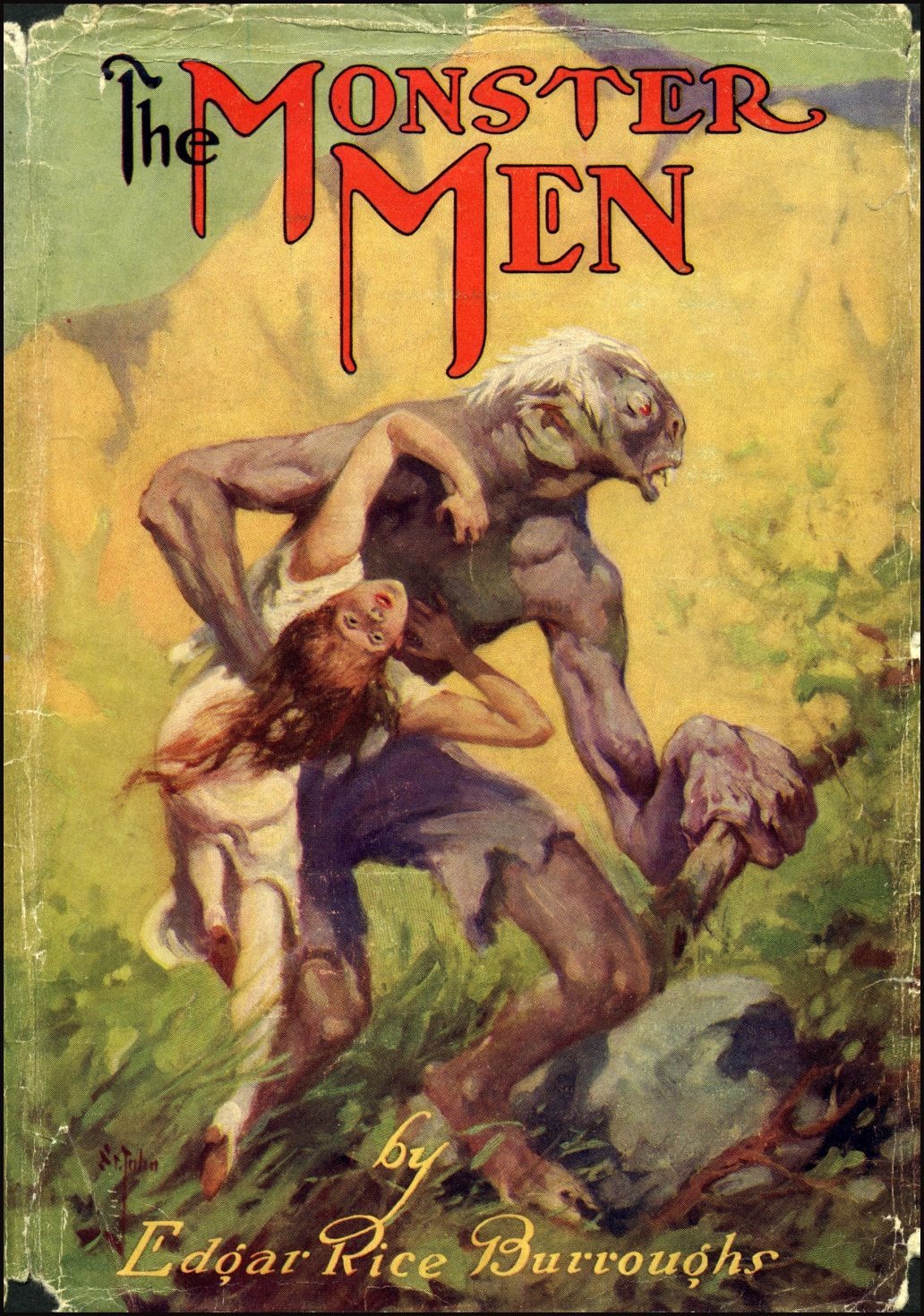
I chose to record chapter 15 of the book Monster Men by Edgar Rice Burroughs

(Edgar Rice Burroughs. The Monster Men (Kindle Location 7). )
I used audacity to record chapter 15 titled, Too Late from Monster Men for my Technology and Literacy class in order to compile a class audiobook.

Audio Book Reflection

The audiobook that I 'read' (listened to) was How Children Succeed by Paul Tough.  I downloaded this book using Audible on my smart phone to listen to while I was running or in the car.  I absolutely loved the experience of listening to content that I felt was important while doing other things.  I was able to attend to and learn about new and important educational theories and stories while being productive in other ways as well.  Even though there were times when I wished that I could stop the audio and have some way of recording a significant note or idea, I found myself being able to recall more than I thought.  I could remember and hold conversations about the material I listened to.  This could be partly due to the fact that I chose the material and considered it to be important.  For educators, this  could mean that students would best benefit from listening to material that they find to be engaging, interesting and even a bit advanced as far as vocabulary and content.  I think audio books are a valuable resource for any level of reader and combined with a mobile device or technology tool, allows learners to incorporate reading into their daily lives and routines in an easy and convenient manner.

Monday, February 18, 2013

Graphic Organizers

Wordle: Fables 


Here is my wordle!!  It is based on the literature genre of fables that the third grade classes are studying in art.